
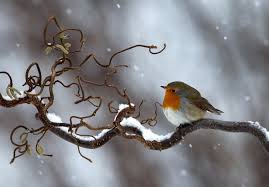
Winter transforms the bird world into a season of quiet resilience and surprising activity. While many species migrate to warmer regions, a remarkable number stay behind, adapting to the cold with layered feathers, clever foraging habits, and an instinctive awareness of shifting weather. For bird watchers, winter becomes a time to appreciate behaviors that are easy to miss during busier seasons, from flock dynamics to subtle calls carrying through crisp, cold air.
Food scarcity shapes much of winter bird behavior. Birds spend a large portion of daylight hours searching for seeds, berries, and any remaining insects, often visiting feeders more reliably than at any other time of year. High-energy foods like black oil sunflower seeds, suet, and peanuts (if safe for the species) help them maintain body heat. Watching these visits provides insight into natural hierarchies—some birds wait patiently, while others boldly sweep in to claim the best perch.
Shelter is equally important, and winter reveals just how resourceful birds can be. Many species roost in dense evergreens, cavities, brush piles, or even abandoned nests, huddling together to conserve warmth. Providing winter-friendly landscaping or a heated birdbath can make your yard a sanctuary during the colder months. For bird watchers, these quiet winter moments—puffs of feathers, delicate tracks in the snow, or a sudden burst of wings—offer a peaceful reminder of nature’s endurance.